Inside the costumes of Messa da Requiem
Costume Workroom Manager, Kathi Lionheart discusses the work involved in staging a production as big as Messa da Requiem, and the importance of staying organised.
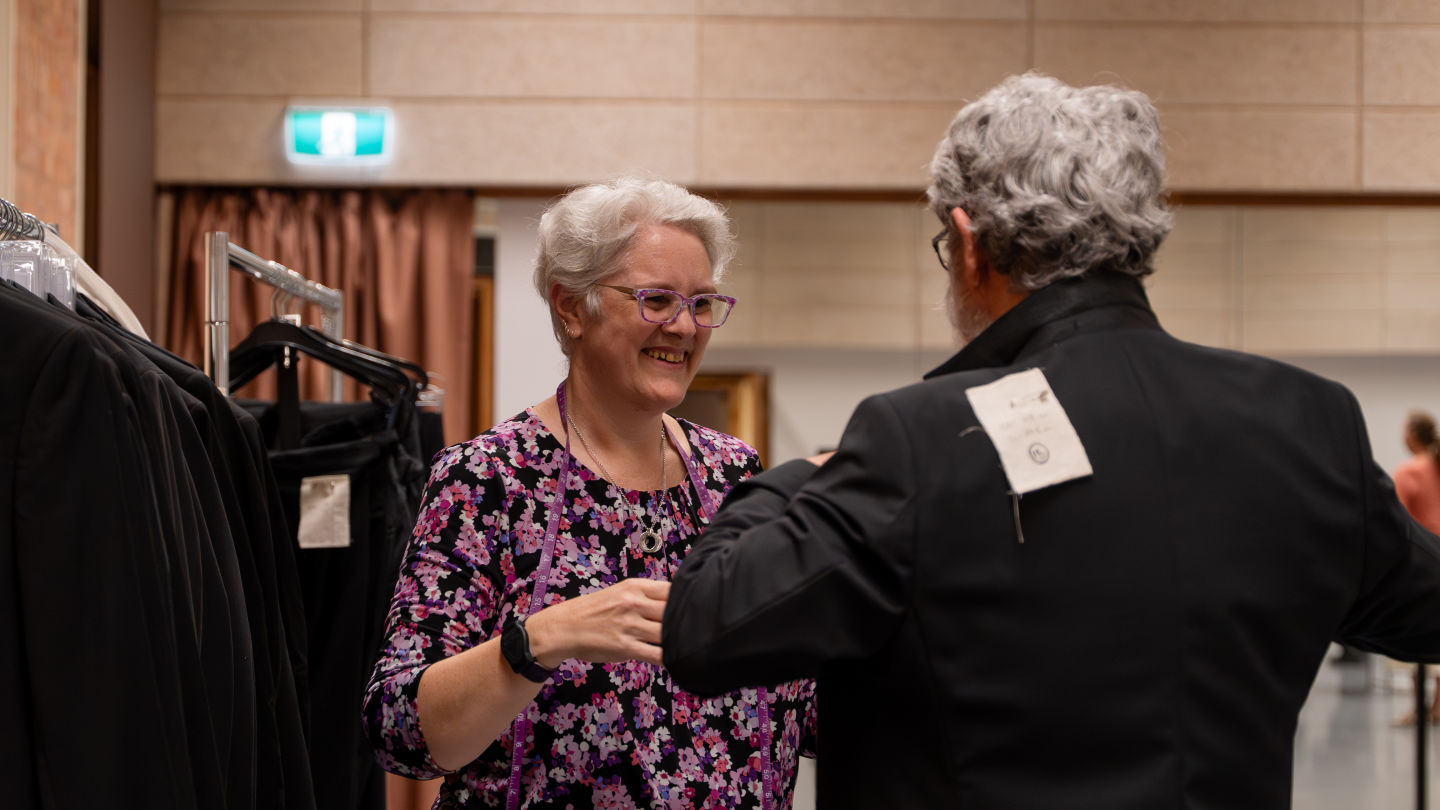
How many costumes are required for a production of this scale?
It is quite a substantial job. As we are dressing the choir as well as our dancers, there are approximately
- 400 costume pieces including 72 dresses / 45 suits for the choir
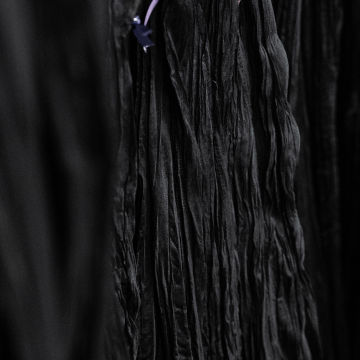
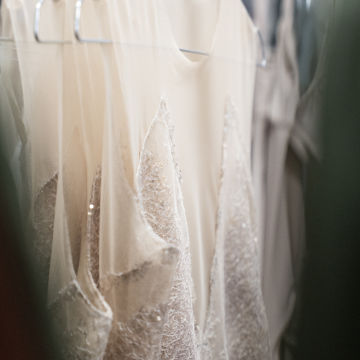
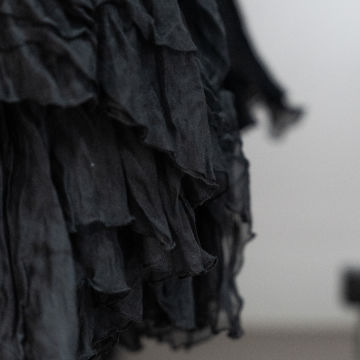
- 15 large tulle and organza “ball gown” skirts and 60 black suits for our dancers
- 78 pairs dance shoes per show with multiples required for dancers depending on wear
Each dancer cast receives three outfits, resulting in approximately 1,000 costumes to be fitted, altered and ready to go to theatre in 3 weeks. But the work doesn't stop there, every show has the following team to ensure the show runs smoothly:
- 4 Costume dressers
- 2 Wigs, hair and makeup artists
- 2 Maintenance crew (in charge of laundering/repairs)

How does working with the original costumes influence your connection to the production compared to creating new designs from scratch?
It is lovely to work with costumes that carry history and knowing that the pieces have already lived on stage and proven themselves in performance. There’s also comfort in knowing these designs have been tested and will support the choreography as intended.
Because the costumes weren’t made specifically for our dancers, we often need to undertake significant alterations to ensure the perfect fit and functionality. However, we love seeing how other ballet companies construct their costumes and learning new techniques through that.
What hidden work goes on in the costume studio that audiences might never see or expect?
Every costume is carefully labelled with a unique number and the dancer or performer’s name, and each one has its own dedicated hanger. We train our dancers early on to take responsibility for their costumes and return them to the correct hanger after each use. With multiple costumes per show, having a meticulous system is essential, especially for tracking maintenance between performances.
As some costumes are shared by more than one dancer over the season, it’s crucial to document exactly who is wearing which costume and for which performance, particularly on days when we have two shows.
Does opening the 2026 Season with a production of this scale change the way the department prepares?
There is always a significant amount of paperwork, charting, and costume numbering involved, and while we do this for every Queensland Ballet production, Messa da Requiem is on a much larger scale. With this also being the first production in QPAC's new Glasshouse theatre, we’re also learning how to work efficiently in a brand‑new space.
For you personally, what’s been the most rewarding part of working on Messa da Requiem?
It was a bit challenging preparing for the arrival of the costumes. Since they were coming from Germany, all the documentation was in German. I had to translate every detail into English, but along the way I have now learnt that 'Spitzenschuh' is ‘pointe shoe’ in German!
Messa da Requiem is running from the 27th March to the 4th April at the new Glasshouse Theatre, QPAC.
Messa da Requiem is presented by Queensland Ballet in association with QPAC, and generous support from the Messa da Requiem Giving Circle.